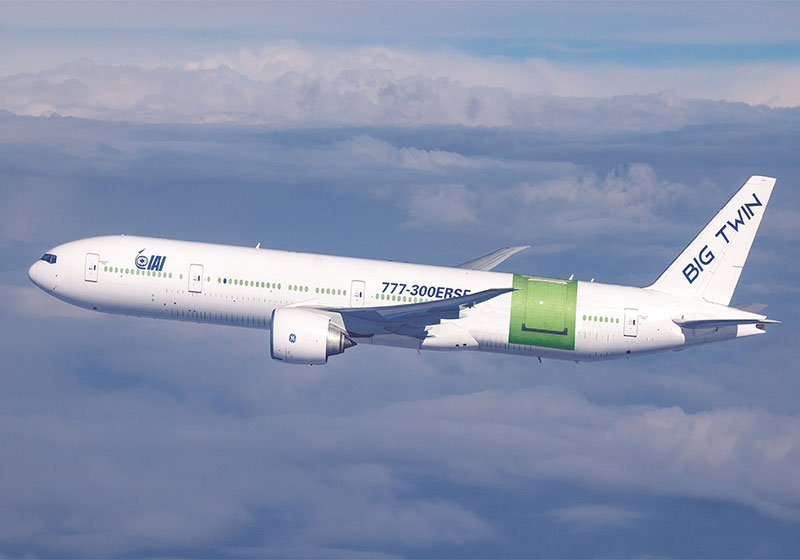


Israel Aerospace Industries’s Boeing 777-300ERSF program is ramping up production, with 11 converted aircraft delivered worldwide and the fleet surpassing 20,000 flight hours in less than nine months of operations. EVP and GM of IAI's Aviation Group, Yaacov Berkovitz informed Freighter Trends that IAI has expanded its global conversion network to meet growing demand, with three sites outside Israel supporting production. Meanwhile, the A330-300BDSF program is progressing through development and certification, with the first flight as its next major milestone. The program has already secured dozens of firm orders and strong interest from global lessors and operators. Demand for both freighter conversions remains strong, particularly in Asia-Pacific, including India and China, driven by e-commerce growth, fleet renewal and increasing demand for efficient long-haul cargo capacity.
1. What is the current production and conversion capacity for the Boeing 777-300ERSF program, and are there plans to expand conversion slots to meet anticipated demand?
EVP and GM of IAI's Aviation Group, Yaacov Berkovitz - The Boeing 777-300ERSF program is currently in its production ramp-up phase, with 11 converted aircraft already delivered to IAI customers around the world. In less than nine months of operational service, the fleet has accumulated more than 20,000 flight hours, demonstrating the growing maturity of the platform and its successful integration into customers’ day-to-day cargo operations.
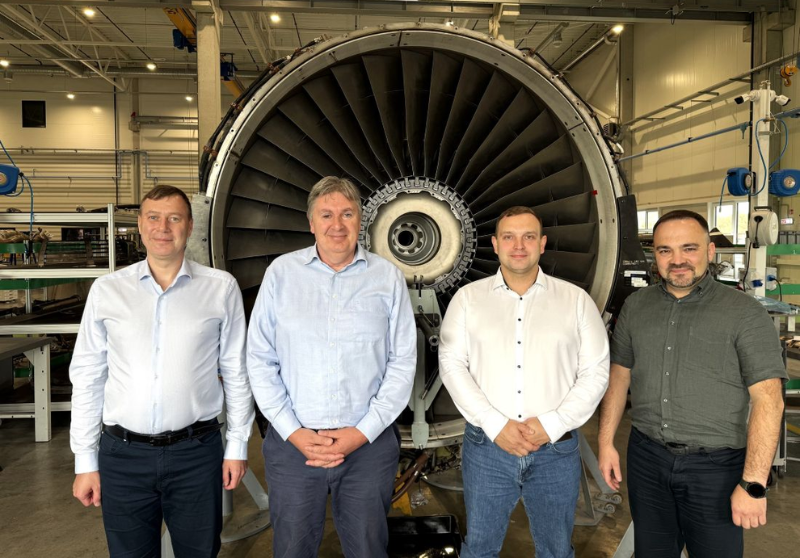
To support the required production capacity and anticipated market demand, we have established a geographically diversified conversion network. Boeing 777-300ERSF conversions are currently supported at three conversion sites outside Israel, in addition to IAI’s facilities in Israel. This global footprint provides us with the flexibility to scale production, position conversion capacity closer to customers and available aircraft, and respond more effectively to evolving market requirements.
At the same time, all conversion sites operate according to the same IAI engineering baseline, configuration control and quality standards, ensuring consistency across the global production network. As additional aircraft enter the conversion process and demand for widebody freighter capacity continues to develop, we are building the infrastructure, partnerships and production capabilities required to support the program over the long term.
2. What is the current development and certification status of the Airbus A330-300 Passenger-to-Freighter conversion program, and what milestones have been achieved recently?
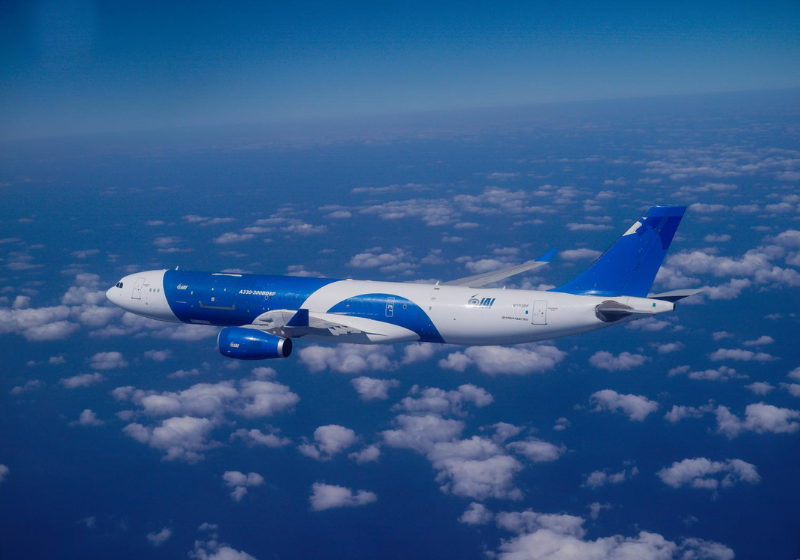
Yaacov Berkovitz - The A330-300BDSF program is progressing through its development and certification campaign, with engineering and ground-test activities currently underway. The program continues to advance toward its next major milestone, the first flight of the converted aircraft.
The A330-300BDSF represents an important addition to IAI’s widebody conversion portfolio, combining decades of passenger-to-freighter conversion experience with a modern platform designed to address the evolving requirements of cargo operators and lessors. The ongoing development and testing activities are focused on validating the aircraft configuration and supporting the program’s continued progress toward certification.
3. How many firm orders, letters of intent, or customer commitments has IAI received for the Airbus A330-300 P2F program, and what is the expected delivery timeline for the first converted aircraft?
Yaacov Berkovitz - The A330-300BDSF has generated significant interest from lessors and operators around the world, reflecting the market’s recognition of its advanced design and operational advantages. Dozens of firm orders are already in place, with additional opportunities currently under discussion.
The level of interest we are seeing reflects the need for efficient widebody freighter solutions that combine payload, volume and strong operating economics, providing operators and lessors with a compelling long-term value proposition. As the program advances through its development and certification campaign, we are also preparing the production capabilities required to support future demand.
4. Which geographic markets are showing the strongest demand for the Boeing 777-300ERSF and Airbus A330-300 P2F platforms, and what factors are driving customer interest?
Yaacov Berkovitz - We are seeing significant interest in both the Boeing 777-300ERSF and the Airbus A330-300BDSF across the global market, with particularly strong long-term growth potential in Asia-Pacific, including India and China, alongside established cargo markets in North America and Europe. The continued expansion of global e-commerce, the need to renew aging freighter fleets and the demand for efficient long-haul cargo capacity are all contributing to interest in widebody passenger-to-freighter conversions.
Both platforms offer significant cargo volume and payload capabilities, together with the operational efficiency required by today’s air cargo market. The 777-300ERSF addresses the need for high-volume, long-haul freight capacity and provides operators with an additional solution as older widebody freighters are gradually retired. The A330-300BDSF complements this offering with a modern and efficient widebody platform designed to serve a broad range of cargo operations.
For customers, the decision is not only about adding capacity. Aircraft availability, operating economics, payload and volume capabilities, and the ability to efficiently integrate the aircraft into existing networks are all important considerations. IAI’s experience across multiple aircraft types, together with our global conversion infrastructure and comprehensive support capabilities, enables us to address these requirements across different markets and customer profiles.
5. How does IAI expect demand for widebody passenger-to-freighter conversions to evolve over the next three to five years, particularly in comparison with new-build freighter aircraft?
Yaacov Berkovitz - We expect demand for freighter aircraft to continue growing over the coming years, particularly in the mid-widebody and widebody segments. Passenger-to-freighter conversions will continue to play a significant role in meeting this demand alongside new-build freighters.
Several factors are driving this outlook. Global air cargo and e-commerce continue to create demand for efficient freight capacity, while a significant portion of the existing freighter fleet is aging. Aircraft such as the MD-11, Boeing 747 and Boeing 767-200 will increasingly require replacement, creating opportunities for newer-generation converted freighters to enter the market.
P2F conversions also provide the market with greater flexibility, allowing operators to introduce additional cargo capacity using available passenger aircraft rather than relying exclusively on the delivery timelines of new-build freighters. They provide operators and lessors with an important option for extending the economic life of passenger aircraft while introducing additional cargo capacity into the market.
Converted freighters and new-build freighters should therefore not necessarily be viewed as competing solutions; both will be required to address fleet renewal and future growth in global air cargo.
We believe IAI’s widebody portfolio is well positioned for this environment. The Boeing 777-300ERSF is already in operational service and moving through its production ramp-up, while the A330-300BDSF is progressing through its development and certification campaign. Together, the two programs enable us to address different segments of the widebody market as operators plan their future fleets.
6. Are there any strategic partnerships with airlines, leasing companies, or MRO providers that are supporting the expansion of IAI's Boeing 777-300ERSF and Airbus A330-300 conversion programs?
Yaacov Berkovitz - Our strategy is to provide customers and partners with a comprehensive solution that goes beyond the aircraft conversion itself. This approach combines state-of-the-art conversion design based on decades of engineering experience with conversion sites around the world, aircraft maintenance capabilities, component and engine MRO services, a robust manufacturing and logistics chain, and extensive customer support.
Strategic cooperation with customers, lessors, operators and aviation service providers is an important part of this model. Our global conversion network is built on partnerships with established MRO providers that bring local industrial capabilities, skilled workforces and widebody expertise.
These partnerships allow us to expand capacity closer to key markets while maintaining IAI’s engineering authority, configuration control and quality standards across the entire network. By combining IAI’s engineering and conversion expertise with the capabilities of our global partners, we can increase production flexibility and provide customers with long-term support throughout the operational life of the converted aircraft.
7. What are IAI's expectations for new order intake, backlog growth, and annual conversion deliveries across its widebody freighter conversion portfolio through 2027–2028?
Yaacov Berkovitz - We already see significant demand for our passenger-to-freighter conversion programs and expect additional demand as operators and lessors continue to plan for fleet growth and the replacement of aging freighters.
The Boeing 777-300ERSF program is already in its production ramp-up phase, with 11 converted aircraft delivered and more than 20,000 cumulative flight hours achieved by the operational fleet. Additional aircraft are currently undergoing conversion across four sites worldwide, supporting the continued expansion of the program.
At the same time, the A330-300BDSF program continues to advance through its development and certification campaign, with engineering and testing activities underway and preparations progressing toward first flight. As the program reaches its next development milestones, we are also preparing the production infrastructure required to support future market demand.
Together, the 777-300ERSF and A330-300BDSF form a key part of our widebody freighter conversion strategy. By combining proven conversion expertise with a scalable global production network, we are positioning IAI to respond to evolving customer requirements and support long-term growth in the global air cargo market