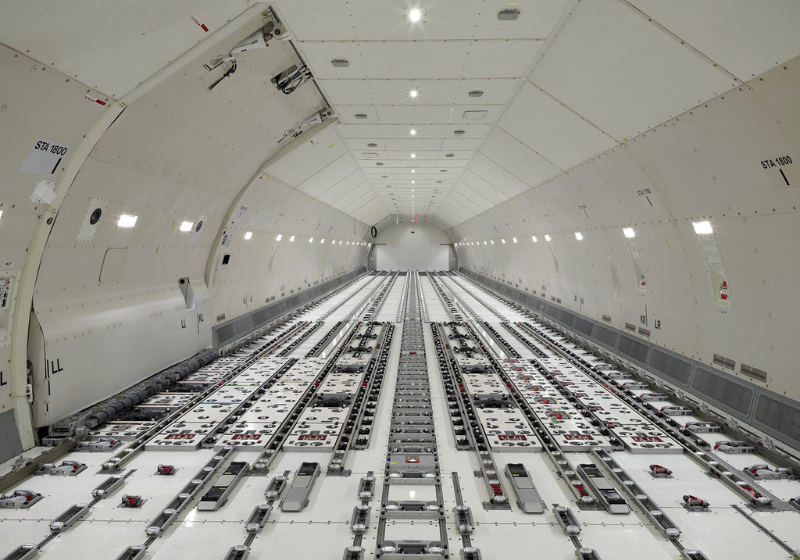


Following certification of the 777-200LRMF and 777-300ERMF, Mammoth is advancing several strategic initiatives, including an STC amendment for a small aft lower-hold cargo door variant. Brian McCarthy – VP Marketing & Sales, Mammoth Freighters LLC informed Freighter Trends that the first aircraft is already in work, with a second set for induction. Designed for integrators and specialized cargo such as pharmaceuticals, the variant offers enhanced security and environmental control. Mammoth is also developing weight-saving improvements and flexible configurations tailored to specific operator requirements. Its first 777-200LRMF (MSN 32222) has been delivered to Jetran and is progressing toward delivery to DHL, with UK CAA STC validation underway in Manchester. Additional 777-200LRMF aircraft are being prepared for Jetran and DHL to support peak-season network requirements. Here are the details:
1. What are the company's immediate priorities following certification, and how does this milestone shape Mammoth Freighters' long-term growth strategy?
Brian McCarthy – VP Marketing & Sales, Mammoth Freighters LLC - Mammoth has a number of strategic initiatives that are following the certification of our 200LRMF and 300ERMF. Currently, the amendment of the STC to incorporate the small lower hold (aft) cargo door variant is a top priority with the first aircraft already in work. The second "small door" 777 is poised for induction as well. All the engineering and kits are ready for this new fleet variation. The small door variants will be ideal for integrators that haul containers and we think that this fleet type will be a hit for operators wanting security and environmental control of their lower hold cargo. Pharma shipments work well in chilled LD3's. We continue to work on areas we can improve and reduce weight as well as engineer customer requested modifications that make our product even better. We are engineering a variety of configuration options to meet specific air operator mission requirements instead of imbedding options and weight into the conversion that some operators will never use.
2. Can you provide an update on the progress of the 777-200LRMF and other passenger-to-freighter (P2F) conversion programs? What key milestones have been achieved, and what remains ahead?
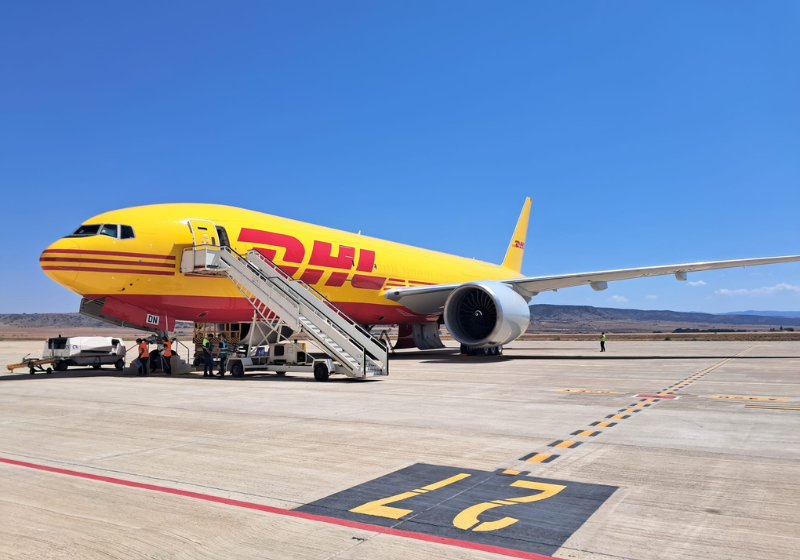
Brian McCarthy – Mammoths first 777-200LRMF (MSN32222) has been delivered to Jetran LLC and currently in the process of delivery to DHL. The UK CAA STC validation is underway and the asset remains positioned in Manchester for UK CAA inspections. Mammoth is preparing additional 200LRMF's for Delivery to Jetran and DHL at this time and to meet DHL's peak season network requirements. Autoland and Zero Fuel weight restrictions should be lifted soon with appropriate STC amendments. Test plans for these remaining items are set to complete flight tests for these items. We are expecting to soon deliver two additional aircraft (N705 & N710) to Jetran for follow-on delivery to Qatar. Mammoth is incorporating additional Qatar requested work scopes and other elective modifications
Mammoth's 777-300ERMF is wrapping up the final conversion build with maintenance preparations underway and ahead of all ground and flight tests planned. You should see the Mammoth 300ER in the air in Q4.
3. When do you expect to deliver the first FAA-certified 777-200LRMF to the launch customer, and what will that delivery represent for the program and the wider air cargo industry?
Brian McCarthy – Some of this question has been answered above. However, the in-service validation and acceptance of the 777-200LR and 300ER as capable freighters should be a signal to owners and financial institutions that it is time to make a move towards conversion before the market turns from short supply to an abundance in the next few years when hull values begin to sink. Obviously, engines are the current driver but the demand for long haul freighters could become acute and those positioned with feed stock and conversion slots may find themselves well positioned.
4. How strong is customer demand today? How many firm orders and commitments does Mammoth currently have, and which regions or market segments are driving interest?
Brian McCarthy – The demand from operators has been strengthening as the two available programs begin to mature. We have plenty of customers patiently waiting on the sidelines. For the 200LRs, there is no shortage of customers but an obvious limit short run of 777-200LRs. The 300ER is being eyed by numerous operators only waiting for meaniful availability of blocks or sister ships to start building a fleet around. Now that the Mammoth 200LR is poised for a DHL network test of its product, this should be a solid indicator that Mammoths Freighter is not only up to the challenge but a reason to pull some 777s out of these lease extensions before the conversion queue gets long...
5. To support the growing order book, how has Mammoth expanded its conversion capacity? How many conversion lines are currently operational, and are there plans to add more facilities or partners?
Brian McCarthy – Mammoth is currently operating out of Both Dallas Fort Worth Alliance, USA with its Aspire MRO capable of 4-5 production lines and the Manchester UK STS facility handling two lines. Recent news announced our move into STAECO, Qingdao PRC where our first aircraft will induct in October 2026. This facility has two 777 sized hangar bays to accommodate two lines when required with additional hangars under construction.
6. The industry continues to face challenges with engine availability and limited feedstock. How is Mammoth addressing aircraft and engine sourcing constraints to ensure a steady conversion pipeline?
Brian McCarthy – MTU has secured a sizeable inventory of core and "green time remaining" engines and has the capability to accommodate our customers if things get acute. The 777-200LR back log will help us bridge the feedstock gap. We are starting to see things improve as some of these leasing companies and private equity groups weigh the consequences of keeping 777s in extended leases too long. The soft long haul passenger traffic continues and may compel some lease returns.
Additionally, owners must weigh the asset value reduction if they let the cycles get too high on these assets. Right now, many of them are in the sweet spot, but some of these older 777 examples will fall out a favour as conversion candidates.
7. What differentiates the 777-200LRMF from competing widebody freighter conversion programs, and where do you see its biggest competitive advantages for operators?
Brian McCarthy – Mammoth's largest cargo door opens up new business opportunities for shippers and forwarders. Mammoth's higher 9,000 lb ULD position and running loads eliminates the completion when it's time to interline with production 200F's.
Mammoth has the best-in-class crew seating and bunk arrangement in its supernumerary area.
8. How are geopolitical developments, global trade shifts, and supply chain disruptions affecting the program, customer demand, or aircraft conversion timelines?
Brian McCarthy – Long ago, mammoth elected to source all of its materials components and parts from US manufacturers. We did this in the height of the pandemic and have remained with this policy until the world settles down. At that point in time, we may consider expanding our vendor base. Especially in the world regions where we are already doing conversions. We may elect to machine and assemble some of the larger floor components as a first step which improves production and saves shipping costs.
9. As air cargo markets continue to evolve, what new operational concepts do you believe will shape the future of freighter operations, and how is Mammoth positioning itself to capitalize on these opportunities?
Brian McCarthy – I think we're going to see a shift and how Cargo is moving and some of the world regions which allows the Air Cargo operators to adapt to the new capabilities that the 777 usher's in. As soon as things settled down in the Middle East, I think we will definitely see much higher flows of Cargo from the far east and Pacific Asia, using the Middle East as a crossroads that could reshape some of the distribution channels that were developed for the 747. We see a significant buildup of cold chain supply and Cargo terminals under construction throughout the Middle East and that should be a signal to everyone with several big carriers and countries that have big plans to capture a higher market share of that traffic using the 777 as the workhorse.
Over the next ten years those 747 operators They have the oldest fleets Are all eyeing the 777 and looking at how to adapt the 777 into to their network or their network to the 777.